Please reach us at http://wa.me//+22967546677
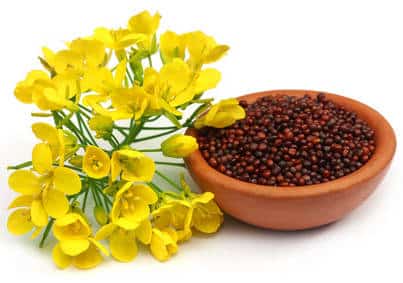
Growing mustard for its health benefits
To grow, mustard needs sun. Be careful, it does not like windy places or areas that are too shady. If you live in a cold region, it is better to opt for mustard in a greenhouse or in a plastic tunnel.
The soil must be compact, fertile, deep, well drained but it is important that it remains fresh. Do not choose too wet ground.
It is quite possible to grow Chinese mustard in a planter, provided you water it very regularly. If the weather is very dry, the seeds bolt quickly.
Mustard: how to make the right choice?
Strong mustard (Dijon mustard, for example) is probably the best known! This very spicy mustard - even, sometimes, spicy! - accompanies red and white meats, and makes it possible to prepare sauces with character.
Mild mustard (Meaux mustard, for example) is, as the name suggests, more delicate. It goes well with white fish, raw vegetables and can easily be prepared in a vinaigrette.
Old-fashioned mustard is a great classic of French cuisine: grainy, it accompanies rabbit, game, andouillette, barbecue skewers...
Flavored mustard (with tarragon, basil, walnuts, honey...) is available in more than a hundred flavors! It is the favorite as an aperitif, and can (quite simply) be spread on toast.
Read also:
The health benefits of nettle
Mustard in the kitchen for its benefits
In salads, very young mustard leaves are delicious.
When they ripen, they also make an excellent nutritious vegetable, steamed or sautéed.
As a condiment, mustard accompanies meats and vegetables, and it adds a little spice to vinaigrettes, sauces and mayonnaises.
Nutrition facts of mustard
Mustard greens are rich in complete proteins, provitamin A, vitamins B and C. They are also well supplied with mineral salts.
Rich in anti-cancer compounds
Mustard seeds are surprisingly rich in phytonutrients called isothiocyanates, which have been widely studied for their anti-cancer benefits. For example, a study published in the International Journal of Vitamin and Nutrition Research in 2002 found that isothiocyanates can inhibit mitosis and stimulate apoptosis (cell death) in human tumor cells.
Another study published in Carcinogenesis in 2010 found that mustard seed powder rich in a particularly beneficial group of isothiocyanates called allyl isothiocyanates (AITC), can significantly inhibit the growth of bladder cancer.
These impressive results suggest that adding more mustard seeds to our diet could prevent or even treat the development of cancer.
Contains thyroid regulating selenium
A tablespoon of mustard seeds contains about 21% of the recommended daily allowance of selenium, an essential trace element.
In addition to being an antioxidant that helps scavenge disease-causing free radicals, selenium is also responsible for converting the sluggish thyroid hormone T4 into more active T3.
Indeed, selenium actually works with iodine to help maintain thyroid function.
Since a dysfunctional thyroid can wreak havoc in the body (including preventing us from losing weight), it is always important to consume foods high in selenium and iodine.
Read also:
foods and calories
Contains an anti-inflammatory compound: curcumin
Have you ever wondered why mustard and the seeds that make it up are usually yellow? That's because they're packed with curcuminoids, a group of fat-soluble pigments also found in turmeric, ginger, and other yellow-coloured herbs and spices.
Curcuminoids, the best known of which is curcumin, are antioxidants with notable cancer-fighting benefits.
However, they are also powerful anti-inflammatories.
Please reach us at http://wa.me//+22967546677
Good source of vitamins and minerals
Like most seeds, mustard seeds are a good source of various nutrients, including calcium, iron, magnesium, phosphorus, potassium, zinc, and manganese. Two tablespoons provide us with 6% of our recommended daily intake of omega-3 fatty acids, the beneficial polyunsaturated acids needed to build cell membranes in the brain.
Mustard seeds can be eaten raw, but their robust taste makes them particularly suitable for rich, cooked meals such as curries and rice dishes.
How to make your own mustard
Here is a basic mustard recipe that can be adapted according to your tastes, by adding other herbs or spices.
Basic mustard recipe
1/2 cup (125 ml) mustard powder
1/2 cup (125ml) water
Sea salt as desired
Optional: fresh parsley, chopped
Optional: fresh basil, chopped
Optional: lemon or lime zest
Optional: 1-2 tablespoons vinegar of your choice
In a bowl, mix the mustard powder and water until you get a homogeneous mixture. Add parsley, basil, lemon or lime zest and/or vinegar, if desired. Let the mustard rest for 15 minutes before using it.
How to store seeds
It is important to store mustard seeds in a cool, dry place.
Keep them in airtight jars.
The pots must be completely dry.
Whole mustard seeds can be used for up to a year and floured or ground seeds can last up to six months.
Please reach us at http://wa.me//+22967546677